Published February 22, 2021
We can't call weather

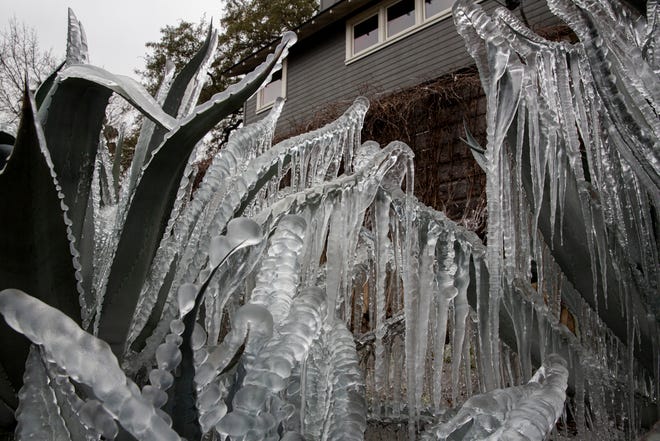
Snow fell and temperatures plummeted in Texas last week, to the detriment of millions of people who lost power and access to drinking water. There have been countless stories and video evidence of frozen pipes bursting and even icicles hanging from indoor toilets (?!).
There have also been plenty of articles and opinion pieces on the state's total failure to prepare for weather that is not, actually, unprecedented in the state of Texas.
It all makes us wonder—as so many other climate events have—about the responsibility of future-proofing new construction (and even older homes). A few years ago, wood burning fireplaces were banned from new construction in California, and many coastal states like Florida are raising elevation minimums on new builds. But other than imposed (and often too slow to change) regulations, what ethical responsibilities do developers have to go beyond the bare minimum?
Um, well, none, really... unless consumers and lawmakers insist on them. There's this pervasive idea that newer is better when it comes to homes, but as many of us like to say, they don't make 'em like they used to. (And that has a lot to do with exploitative and slave labor thankfully no longer being legal.) Will today's new construction still be standing in 100 years, weathering every 100-year storm that's become the every-few-years storm? In most cases, we doubt it.