
Published April 28, 2025
Tech industry money and the local housing market, a double-edged sword.

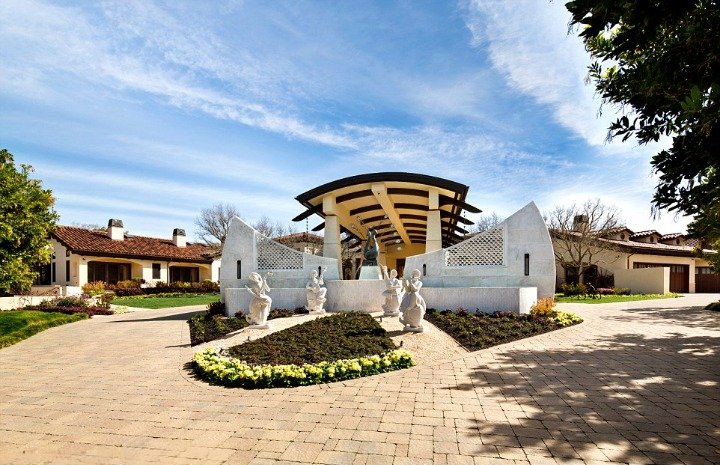
Silicon Valley has an intense impact on this part of the state’s real estate market, it’s a fact. It’s a double-sided coin, and the way you look at depends on if your point of view is heads or tails. From South Bay, up to Sonoma County and down to Monterey, a lot of the huge, exorbitant properties are owned by start up guys. In Silicon Valley, the South Bay, home prices sky rocketed as the job market in the tech industry grew rapidly. As people in the industry made lots of money, they bought large properties and built huge houses in areas that are beautiful to go visit, but still within reach of the South Bay. During covid years, the amount of tech industry employees that no longer had to live in the direct Bay because of the freedom to work remotely hit hundreds of thousands of thousands.
California has become recognized for its booming tech industry, mostly because the big bucks it churns out and the income it pays are shocking. But California, is and has been, an agriculture state. There are more than 400 commodity crops grown in the state of California, which include a very significant amount of the fruits, vegetables and nuts in the United States. When you leave the Bay Area, and go in search of buying larger properties, you are going to find yourself in rural areas. Look, when you get in and around farming communities where people bust their ass for barely breaking even, the presence of these tech guys and their costly properties can be a sore thumb situation. Start up income and tech industry money have blown out the cost of housing in a lot of places where people were barely holding on as it was. The juxtaposition between generations of families working the land in Half Moon Bay, and this 29-year-old guy who built an app but can’t change a tire rolling in with a cold 4mil down payment, it’s a tough one. It’s unappealing, it’s got a yuck factor. Whose way of life is more valuable and why is it cool to change a places landscape by showing up with a very different set of politics, wants and needs and viewpoints? Who worked harder for their money and why is one person’s contribution so much more monetarily valued than another? These are lofty systemic questions with no cut and dry answers. But they all float to the surface when we talk about Silicon Valley’s impact on Californians’ economy and real estate market. It is a change of the economic scenery that looks stark, it’s not a super gradual transition. We have come into a new generation of California home/ property owners who make a massive amount of money from the tech industry and buy in areas that are both beautiful and have space and were historically ag communities. Agriculture communities are comprised of people who work very hard physically and aren’t famous for raking it in financially. They are often communities operating below the poverty line. So you could look at it from the perspective of tech industry injecting money into places without much money. When tech industry folks buy property and build huge homes, it brings up the property values of the old farmhouses that have been around for a long time. There are benefits to people from a higher income bracket into an area that had traditionally been just circulating a very small amount of money. It is similar dynamic to what change felt like in places like west Oakland. Arguably, industry money inflating the Bay Areas home value changed the landscape of Oakland as a whole in a big way. People who had lived there couldn’t afford to anymore. Oaklands new home buyers had a different vision for the whole area, it was a big change, and it wasn’t a seamlessly smooth one. Now, people say Oakland is nicer than it used to be. The question though, is nicer for who?
Places like Cloverdale and even Petaluma are towns that were sleepy, before Bay Area money and people wanting to live somewhere with a slower pace, and beautiful scenery, bought homes, brought up the prices and changed the local scenery. Benefits of bringing money to small economies look like more little luxuries. Things like cafes, flower shops, bookstores. Fixed up parks, cleaner streets, better restaurants. These are positives for a community. Political changes to the local scene, residents voting differently, people coming from different places having different viewpoints, these are areas that often feel not awesome for people who lived in the communities before the financial change occurred.
So, these are the two sides, right? Change is inevitable, more money coming to areas that were poor makes them wealthier, and that change is far more involved than just more expensive property price tags. But as we are a capitalistic society, culturally the general consensus is usually more money is better for people. When an area gets more spruced up, it’s more attractive, it’s got more going on, it can grow and improve and thrive. Thriving is good right?
Alright so now we’re going to pop over to Solano County to look at a wild example of this overarching theme here. Jan Sramek is a man with a start up company and a plan. His company has purchased a plot of land, bigger than half the size of San Francisco. Sramek has had the property cleared, and the power lines are up and running, but there’s nothing built yet, of this green city he has a vision for, holding up to 400,000 people. The project is called California Forever, and he sees it as a European model of a city built for walkable living. His vision is esthetically pleasing, and very few cars. Walkable and very dense. He has 900 million tech investors, from notable industry people such as the founder of LinkedIn, and Steve Jobs’s widow.
Farmers in the area are in active opposition of the project, but it’s unlikely anything will come if it. When a project is backed by the kind of money this one’s got, very little will stand in its way. In a New York Times article, investors were asked why they got so heavily involved (gave a butt load of money) and the response was that converting that area to building land alone will multiply peoples investments. It’s a very ambitious project, it was quoted as a spectacular investment, a community being built that will solve pressing social problems. Where people can walk to star bucks, and the mail salon safely. It is projected to take 50 years to complete with the first round of construction costing 2 billion dollars. California Forever residents are supposed to be able to live sustainable lives.
It still feels weirdly unclear what the strategy is and what exactly would be differently amazing about this tech money-built community in Solano County for 400, 000 people… will it be Stepford wives? A huge, gated community on steroids? I guess it remains to be seen, we ll circle back in 50 years.
The conversation we bounced around today has no period at the end, it’s an ongoing process. As the dynamic continues the outlook will keep changing. Like with a lot of things, the point of view really just depends on who you ask. We know that bringing up the home value of preexisting homeowners in the area is generally two thumbs up. We also know those people often end up selling that house at its higher value, to go and buy something somewhere that has a similar feel politically and socially to what their area looked like before the money came in. This has happened all over California. Change is inevitable, and money coming in looks better than industry and money all leaving. We could say that’s the bottom line, but some would say, that’s looking at it through rose colored glasses. There’s a lot going on these days that impacts the economy, certainly if farmers in scary ways. If the whole state was reliant of ag industry money we’d be in real trouble across the board. Maybe local agriculture will come back strong, maybe it won’t. But the tech industry, and huge income it generates, is here to stay.
California has become recognized for its booming tech industry, mostly because the big bucks it churns out and the income it pays are shocking. But California, is and has been, an agriculture state. There are more than 400 commodity crops grown in the state of California, which include a very significant amount of the fruits, vegetables and nuts in the United States. When you leave the Bay Area, and go in search of buying larger properties, you are going to find yourself in rural areas. Look, when you get in and around farming communities where people bust their ass for barely breaking even, the presence of these tech guys and their costly properties can be a sore thumb situation. Start up income and tech industry money have blown out the cost of housing in a lot of places where people were barely holding on as it was. The juxtaposition between generations of families working the land in Half Moon Bay, and this 29-year-old guy who built an app but can’t change a tire rolling in with a cold 4mil down payment, it’s a tough one. It’s unappealing, it’s got a yuck factor. Whose way of life is more valuable and why is it cool to change a places landscape by showing up with a very different set of politics, wants and needs and viewpoints? Who worked harder for their money and why is one person’s contribution so much more monetarily valued than another? These are lofty systemic questions with no cut and dry answers. But they all float to the surface when we talk about Silicon Valley’s impact on Californians’ economy and real estate market. It is a change of the economic scenery that looks stark, it’s not a super gradual transition. We have come into a new generation of California home/ property owners who make a massive amount of money from the tech industry and buy in areas that are both beautiful and have space and were historically ag communities. Agriculture communities are comprised of people who work very hard physically and aren’t famous for raking it in financially. They are often communities operating below the poverty line. So you could look at it from the perspective of tech industry injecting money into places without much money. When tech industry folks buy property and build huge homes, it brings up the property values of the old farmhouses that have been around for a long time. There are benefits to people from a higher income bracket into an area that had traditionally been just circulating a very small amount of money. It is similar dynamic to what change felt like in places like west Oakland. Arguably, industry money inflating the Bay Areas home value changed the landscape of Oakland as a whole in a big way. People who had lived there couldn’t afford to anymore. Oaklands new home buyers had a different vision for the whole area, it was a big change, and it wasn’t a seamlessly smooth one. Now, people say Oakland is nicer than it used to be. The question though, is nicer for who?
Places like Cloverdale and even Petaluma are towns that were sleepy, before Bay Area money and people wanting to live somewhere with a slower pace, and beautiful scenery, bought homes, brought up the prices and changed the local scenery. Benefits of bringing money to small economies look like more little luxuries. Things like cafes, flower shops, bookstores. Fixed up parks, cleaner streets, better restaurants. These are positives for a community. Political changes to the local scene, residents voting differently, people coming from different places having different viewpoints, these are areas that often feel not awesome for people who lived in the communities before the financial change occurred.
So, these are the two sides, right? Change is inevitable, more money coming to areas that were poor makes them wealthier, and that change is far more involved than just more expensive property price tags. But as we are a capitalistic society, culturally the general consensus is usually more money is better for people. When an area gets more spruced up, it’s more attractive, it’s got more going on, it can grow and improve and thrive. Thriving is good right?
Alright so now we’re going to pop over to Solano County to look at a wild example of this overarching theme here. Jan Sramek is a man with a start up company and a plan. His company has purchased a plot of land, bigger than half the size of San Francisco. Sramek has had the property cleared, and the power lines are up and running, but there’s nothing built yet, of this green city he has a vision for, holding up to 400,000 people. The project is called California Forever, and he sees it as a European model of a city built for walkable living. His vision is esthetically pleasing, and very few cars. Walkable and very dense. He has 900 million tech investors, from notable industry people such as the founder of LinkedIn, and Steve Jobs’s widow.
Farmers in the area are in active opposition of the project, but it’s unlikely anything will come if it. When a project is backed by the kind of money this one’s got, very little will stand in its way. In a New York Times article, investors were asked why they got so heavily involved (gave a butt load of money) and the response was that converting that area to building land alone will multiply peoples investments. It’s a very ambitious project, it was quoted as a spectacular investment, a community being built that will solve pressing social problems. Where people can walk to star bucks, and the mail salon safely. It is projected to take 50 years to complete with the first round of construction costing 2 billion dollars. California Forever residents are supposed to be able to live sustainable lives.
It still feels weirdly unclear what the strategy is and what exactly would be differently amazing about this tech money-built community in Solano County for 400, 000 people… will it be Stepford wives? A huge, gated community on steroids? I guess it remains to be seen, we ll circle back in 50 years.
The conversation we bounced around today has no period at the end, it’s an ongoing process. As the dynamic continues the outlook will keep changing. Like with a lot of things, the point of view really just depends on who you ask. We know that bringing up the home value of preexisting homeowners in the area is generally two thumbs up. We also know those people often end up selling that house at its higher value, to go and buy something somewhere that has a similar feel politically and socially to what their area looked like before the money came in. This has happened all over California. Change is inevitable, and money coming in looks better than industry and money all leaving. We could say that’s the bottom line, but some would say, that’s looking at it through rose colored glasses. There’s a lot going on these days that impacts the economy, certainly if farmers in scary ways. If the whole state was reliant of ag industry money we’d be in real trouble across the board. Maybe local agriculture will come back strong, maybe it won’t. But the tech industry, and huge income it generates, is here to stay.