Published December 15, 2025
Fireplace Safety 101: How to Stay Cozy Without Burning Your House Down

Here in sunny California, we spend our summers worrying about wildfires. They’ve been part of our reality for so many years that they’ve become a regular feature of the dry, warm season.
Now that we’re entering winter, fire safety isn’t the first thing on most of our minds. As Californians settle into a season where wildfire danger fades into the background, we want to circle back to the topic—specifically, how to enjoy your fireplace without accidentally burning your house down.
By adulthood, most of us feel pretty confident that we know how not to set our homes on fire. Fair enough. But the truth is, the risk does increase when we start using fireplaces, space heaters, and other heat sources to stay warm. So today, we’re going back to basics and breaking down a few simple, non-negotiable fireplace safety rules.
And just to be clear: everyone reading this is very smart. But you know the books.
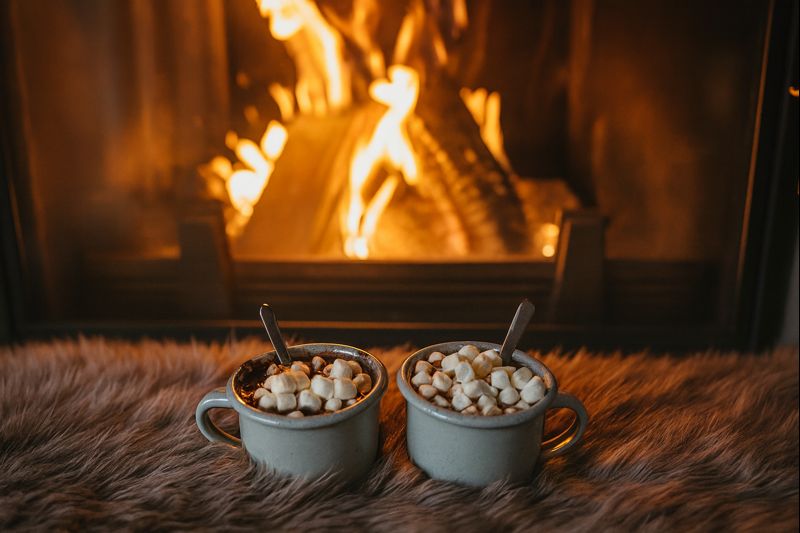
When we picture winter, we imagine cozy nights at home, warm blankets, and a crackling fire. That sounds lovely—until you remember that a fireplace built into your wall can reach temperatures of over 1,000°F. Let’s talk about how to enjoy it safely and reduce the risk of chimney fires and carbon monoxide exposure.
Safety Tip #1: Prevent Carbon Monoxide Poisoning
Poor fireplace and chimney maintenance can lead to carbon monoxide poisoning. Carbon monoxide is especially dangerous because it’s colorless, odorless, and tasteless—earning it the nickname “the silent killer.”
The best protection is a carbon monoxide detector. Install them throughout your home for peace of mind (and possibly a discount on your homeowners insurance). Be sure to check them regularly and replace the batteries at least once a year.
Safety Tip #2: Be Mindful of What You Burn
Not all firewood is created equal. Burning wood that is too soft or still wet creates excessive smoke, unpleasant odors, and buildup inside your chimney and flue.
Whenever possible, use dry, seasoned hardwood. Store your wood in a covered area to keep it dry and ready for use.
Safety Tip #3: Clean Your Fireplace and Chimney
A thorough cleaning before fireplace season significantly reduces fire risk. The National Fire Protection Association recommends having your chimney cleaned at least once a year.
If your fireplace hasn’t been used in a while, it’s smart to clean everything from the chimney crown to the firebox. Also, take a look outside: trim back any trees or branches that may have grown too close to the chimney over the summer. Even nearby branches can restrict the escape of dangerous gases—and that’s not something you want happening inside your living room.
Safety Tip #4: Use a Screen or Glass Door
Installing a fireplace screen or glass door helps prevent sparks and embers from escaping and landing on carpets, furniture, or rugs. It’s a simple upgrade that adds an extra layer of protection.
Safety Tip #5: Keep Flammable Items at a Safe Distance
Keep rugs, furniture, decorations, and anything flammable at least three feet away from the fireplace. For ash disposal, invest in a metal container with a lid. Always allow ashes to cool completely, then store the container far away from your home.
A fireplace can truly be the heart of a home during the colder months. By prioritizing basic safety, regular cleaning, and mindful use, you can enjoy the warmth without unnecessary risk.
You worked hard to afford a beautiful home with a fireplace—so go ahead and bask in its glow. Just do it safely.