
Published July 1, 2024
Behold; Richmond! How got it be, The Bay Area city it is today.

Richmond is a city by the Bay, right in the thick of it, close enough to easily live at a cheaper cost, but still work in San Francisco. It is diverse and densely populated by people who make up the many faces of the East Bay. Richmond is 16 miles northeast of San Francisco, on the west shore of Contra Costa County. It’s heavily residential and lots of those residents own their homes. Closer to San Pablo, and in the hills, you can find wealthier neighborhoods, but Richmond is not considered a Bay Area city that has become a yuppie stronghold.
Richmond has 116K residents with the median age of 37 years old and a median household income of $86,618.
In a similar way Oakland is considered high crime, Richmond is also known for being on the dangerous side. Chances of being a victim of a crime in the city are 1 in 17, making it the 11th most dangerous city in California. However, just like anywhere else, it’s always possible to use personal responsibility and make safe choices. Don’t be scared by stats like those folks, life’s too short to be a chicken and miss out on awesome places or things to see because we are nervous. Put your iPhone away and look up while you’re walking.
Richmond does have 54 schools, lots of coffee shops and really great parks. Richmond currently is rated 15th fastest growing job market in the whole country! It’s a hub for thriving industries, offering 700,000 jobs. When we talk about gentrification, it is unstoppable in the Bay and hitting Richmond as well. It is in its early to middle stages of gentrification especially in the center of the city and near HillTop.
We can’t talk about how Richmond came to be with out talking about World War 2 ingenuity.
Richmond built ships during WW2, making it an important part of the home effort. On the waterfront, shipyards buzzed with a big ole super varied workforce of people who came to be a part of things. They were building 747 Liberty cargo ships. Those waterfront shipyards pumped out more ships than any other in the country, Richmond was the top producer. This is a big deal at the time, it was a big important part of the American military war ship industry.
After the war was over, the shipyards closed shop, along was all the parts of the city that had sprung up to support that workforce. Factories, stores, all entertainment like theaters shut down after the war. It was left a bit of a ghost town. Richmond’s war efforts played an initial role in how diverse the city’s people still are today.
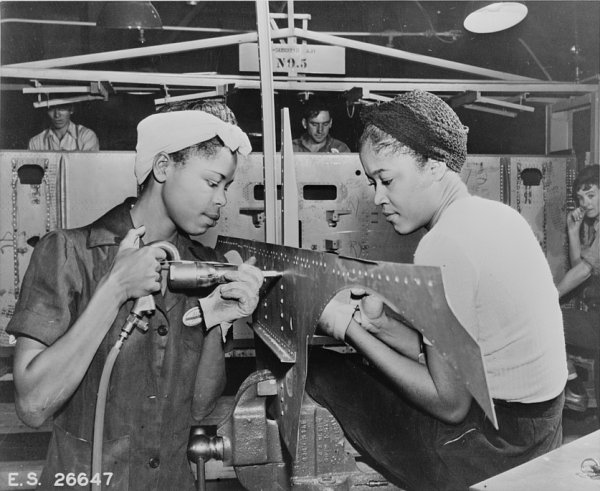
I know ya’ll know Rosie the Riveter. Her red bandanna clad image flexing that strong arm, is an American cultural icon. Rosie the Riveter represents the 6 million women who made up the workforce in America when the men previously holding those positions went to serve in WW2.
There is a Rosie the Riveter Museum in Richmond you can go visit today! There, you can learn about the women who worked in Richmond’s defense industry during the war.
The Craneway Pavilion was the Ford Motor Company assembly plant. In its younger days, it built Jeeps, tanks and other armored vehicles. Located in the Rosie the Riveter pavilion on the Waterfront, it’s currently an event center, hosting premier parties for Bay Area clients.
The East Brothers Lighthouse is another famous Richmond landmark you can see for your self. It was built in 1873 as an aid to the Mariners in the San Pablo/ San Francisco Bay. After along life of functional operation, the lighthouse became under threat of demolition, and being replaced by just a light on the pole. It was rescued by a nonprofit under license of the Coast Guard and now spends its days as a Victorian style bed and breakfast.
Fun fact, did you know lighthouse keepers were Called Wickies? Because they were tasked with cutting the wick for the flame burning in the oil lamp. The East Brothers Lighthouse oil lamp is maintained now by volunteers that value historic preservation. They are still called Wickies, to keep things legit.
Richmond has some relevant and impactful California military history, it’s easy to lose sight of in the frenzy of all the other things the city has going on these days. But the roots of a city’s inception shine through no matter what. We hear a lot of negative talk about the city of Richmond, because it’s not a white bread town. It’s got a lot of complicated dynamics playing out in different neighborhoods with different issues and strengths. But it ain’t boring! It’s a rich place culturally, and there’s a lot to be said for that. Amazing food, art, festivals and history, and a killer location, Richmond is an asset to what makes the Bay Area dope.